Videó beküldése
Faro társasjáték
társasjáték, 1695
A Faro egy nagyon könnyen tanulható társasjáték, ami egyenlőre még nem érhető el magyar nyelven, az átlagos játékidő rövid, csak 10 perc. A játékmenet erősen épít a kockáztatás mechanizmusra.
Angol:
Faro, Pharaoh, or Farobank, is a late 17th-century French gambling card game descendant of basset, and belongs to the lansquenet and Monte Bank family of games, in that it is...
A Faro egy nagyon könnyen tanulható társasjáték, ami egyenlőre még nem érhető el magyar nyelven, az átlagos játékidő rövid, csak 10 perc. A játékmenet erősen épít a kockáztatás mechanizmusra.
Angol leírás
Faro, Pharaoh, or Farobank, is a late 17th-century French gambling card game descendant of basset, and belongs to the lansquenet and Monte Bank family of games, in that it is played between a banker and several players winning or losing according to the cards turned up matching those already exposed or not.
Although not a direct relative of poker, faro was played by the masses alongside its other popular counterpart, due to its fast action, easy-to-learn rules, and better odds than most games of chance. The game of faro is played with only one deck of cards and allows for any number of players.
A game of faro was often called a faro bank. It was played with an entire deck of playing cards. One person was designated the "banker" and an indeterminate number of players, known as "punters", could be admitted. Chips (called "checks") were purchased by the punter from the banker (or house) from which the game originated. Bet values and limits were set by the house. Usual check values were 50 cents to $10 each.
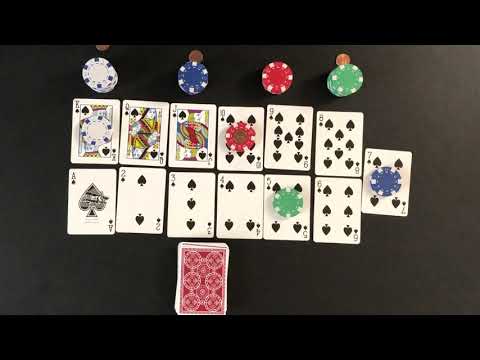
The faro table was typically oval, covered with green baize, and had a cutout for the banker. A board with a standardized betting layout consisting of all cards of one suit pasted to it in numerical order, called the "layout", was placed on top of the table. Traditionally, the suit of spades was used for the layout. Each player laid his stake on one of the 13 cards on the layout. Players could place multiple bets and could bet on multiple cards simultaneously by placing their bet between cards or on specific card edges. Players also had the choice of betting on the “high card” bar located at the top of the layout.
Faro was popular in eighteenth century Europe and nineteenth century America, particularly on the frontier. It was also often rigged since it did not offer the house a substantial advantage. Once gambling houses became more regulated and cheating was less tolerated, Faro declined. By 1985 it was no longer played in any of the Nevada casinos. It is remembered today mostly by historians and associated with some of its most famous players and dealers, including Casanova, Charles James Fox, Wyatt Earp, and John "Doc" Holliday.
Kategória:
Kártyajáték
Mechanizmus:
Kockáztatás
Videók
A társasjátékhoz oktató és bemutató videók nyújtanak segítséget! Nézd meg őket és nem lesz gond a szabályokkal!
Rövid
Rövid játékidő! Ha csak gyors játékra vágysz a munka után, akkor ez a neked való!
Faro társasjáték vásárlása, árak és üzletek
Jelenleg egyik üzletben sem kapható a játék! Állíts be egy árufigyelést, hogy értesülj, amikor újra kapható lesz a boltokban!
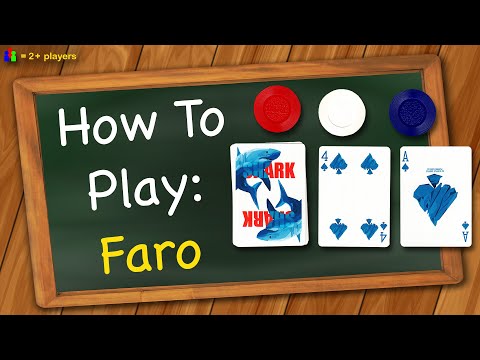
Faro társasjáték videók (2)
Kommentek
A Faro társasjáték és kiegészítői (1)
The Boardgame Book társasjáték
The first edition (Knapp and Cavendish) was published in 1979. It came in a slipcase and included four 20"x26" double-sided sheets with extra-large game boards. The second edition (Exeter and Cavendish) was published in 1983 and does not have the slipcase or the extra sheets. Both editions have a loose sheet with cut-out pieces for the games in the book....
- Ajánlott életkor: 8+ éves
Hasonló játékok
Az alábbi játékok a hasonlítanak leginkább a(z) Faro társasjátékhoz

Magyarország társasjáték keresője!
A társasjáték érték!

Legnépszerűbb
Hasznos linkek
Kapcsolat
Ha szeretnéd felvenni velünk a kapcsolatot nyugodtan írj egy e-mailt!
Email: info@tarsasjatekok.com2026 © Minden jog fenntarva. A játékokhoz kapcsolódó adatok és indexképek jelentős része a BoardGameGeek oldaláról származnak!